
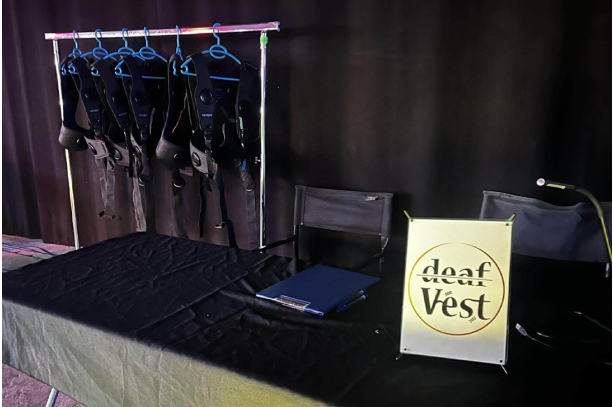
For many Deaf and hard-of-hearing people, experiencing live music can involve barriers that hearing audiences rarely have to think about. But in Athens, Greece, a Deaf-led initiative called deafVest is opening up new possibilities, using vibrating vests to make delivering audio more accessible.
Traditionally, when you think of Silent Disco King, you think of festival silent discos, walking tours, fitness classes, and more, but our silent disco equipment has no limits. deafVest is a prime example of how our wireless audio technology can help people experience sound in a completely different way and why making events more inclusive takes more than just technology alone.
From a dance workshop to a movement for inclusion
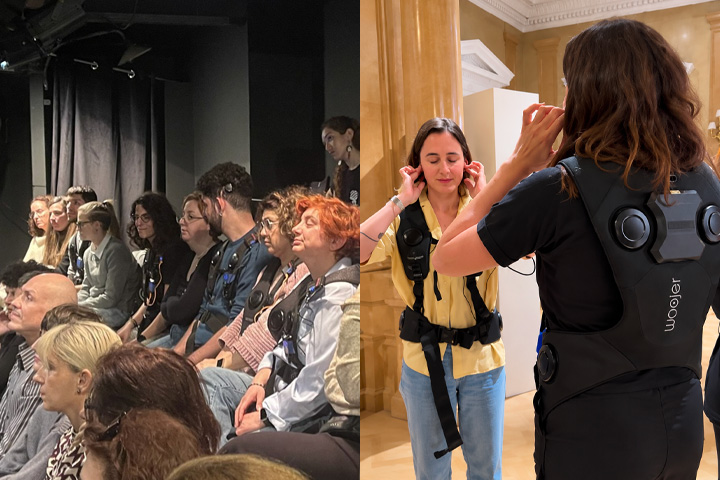
deafVest began when a group of Deaf and hard-of-hearing people attended a dance workshop led by Chris Fonseca, a Deaf dancer from England. Vibrating vests were available at the workshop, and the group was captivated by the experience. At the end, participants were invited to form a team in Greece to take responsibility for the vests, and from there, deafVest was born.
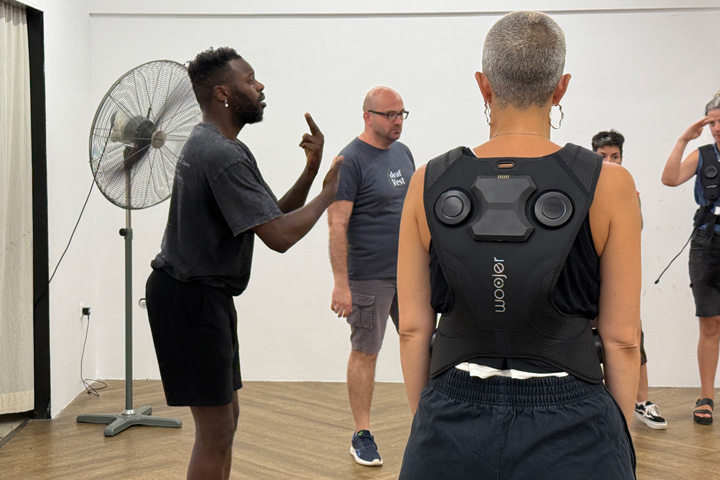
The founding members reflected on their everyday experiences, and they began to recognise the possibilities the technology could offer across music, theatre, dance, and performing arts.
Founded exclusively by Deaf people, deafVest was shaped by their own experiences of navigating a world that isn't always designed with them in mind. Their mission is to improve accessibility and create more opportunities for Deaf and hard-of-hearing people to participate in cultural experiences.
How do vibrating vests work?
deafVest uses vibrating vests alongside Silent Disco King audio transmitters and receivers to transform audio into something that can be felt through the body.
The setup begins with our Donkey Silent Disco Transmitter, which connects to an event's mixing console and transmits the audio wirelessly to Ned Silent Disco Beltpack Receivers. These receivers connect to the haptic wearable vests, which convert the audio signal into vibrations that users can feel.
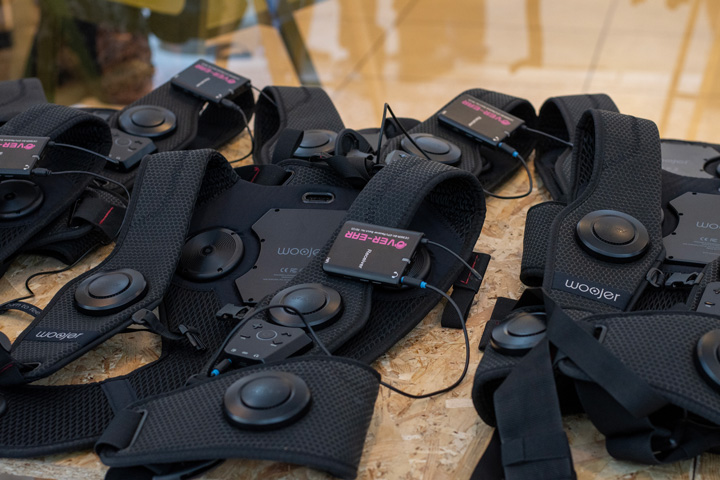
Music becomes a tactile experience. Rhythm, intensity, and changes in the sound can be experienced through vibration, offering another way to connect with a live performance.
The vests have been used at concerts, festivals, theatre performances, and film screenings, demonstrating how the technology can support accessibility across different cultural settings.
However, vibrating vests aren't a replacement for other accessibility services. Captions, sign-language interpretation, audio description, and tactile description can all play important roles, depending on an individual's needs. When these services work together, they can offer audiences more inclusive ways to engage with a performance.
When accessibility changes the experience for everyone
One particularly interesting discovery for deafVest has been the response from those who have tried the vests. Alongside Deaf and hard-of-hearing users, hearing participants have described the experience of hearing music while feeling its vibrations across their bodies as exciting, powerful, and completely different.
For deafVest, some of its most memorable experiences have been major concerts, including the ‘Gods of Metal’ Metallica and Iron Maiden. The team highlighted the efforts made by the production company to improve accessibility, including wheelchair platforms, sensory rooms, and support staff for disabled attendees.
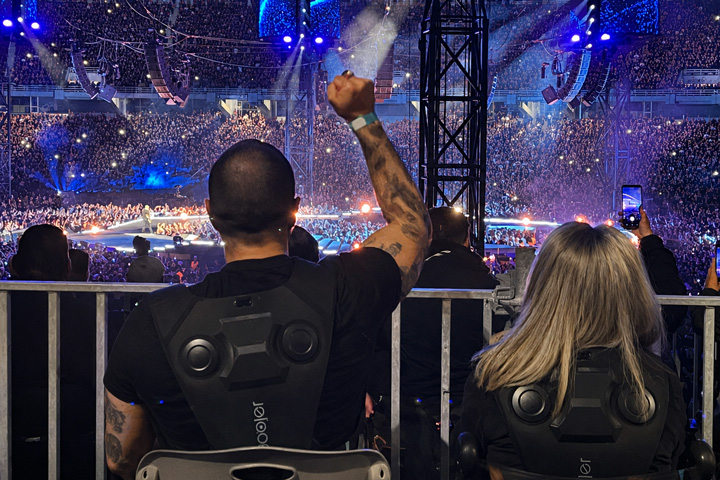
Having vibrating vests available as part of this wider provision helped demonstrate the value of bringing different accessibility measures together rather than relying on a single solution.
A concert to remember
Perhaps the most moving example of deafVest's impact comes from one of their own team members, who shared her experience as a Deaf woman attending Metallica's concert at Athens' Olympic Stadium in May 2026.
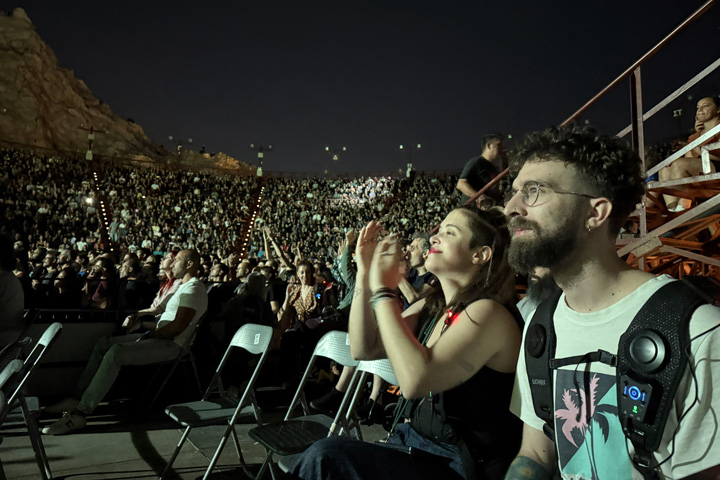
She had never imagined she would be able to experience the band's iconic music in this way. Wearing a vibrating vest allowed her to feel the music through her whole body, creating an experience she had previously only dreamed of.
It was so meaningful that, for the first time, she wanted to buy a concert T-shirt as a personal souvenir, something to help her hold on to that night.
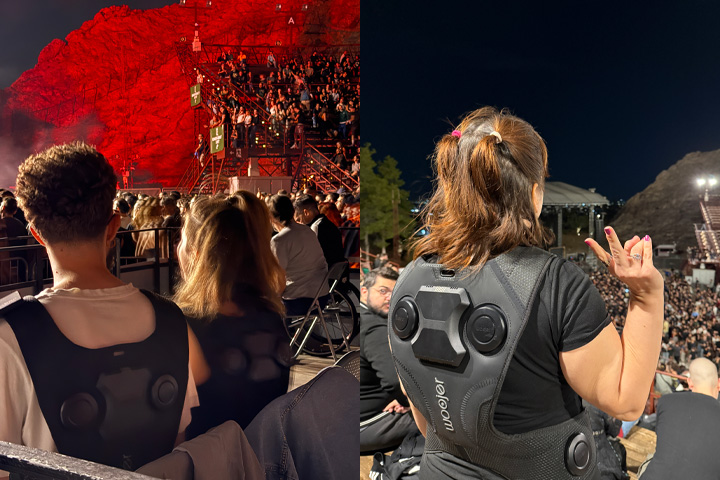
Her story captures something important about accessibility. It's not just about providing equipment or ticking a box on an event checklist. It's about making experiences possible and allowing people to participate in ways they might once have thought were out of reach.
The difference between access and inclusion
Despite progress in recent years, deafVest believes there is still a considerable gap between accessibility being offered and people genuinely feeling included. As the team puts it, “after the doors open, we often find walls standing in front of us.”
A venue might introduce an accessibility service, but that alone doesn't guarantee that everyone can participate comfortably or equally. Access depends on people knowing what is available, being able to use it, and having meaningful opportunities to take part.
The team also highlights the lack of consistent funding for accessibility across music and the arts. Without sufficient resources, many people continue to face limited opportunities to attend and participate in cultural events.
deafVest believes event organisers and venues need greater awareness, stronger incentives and a clear legal framework to make accessibility a fundamental part of event planning, rather than an optional extra.
At Silent Disco King, we understand this is an important conversation for the events industry. Technology can help remove barriers, but listening to the people who experience those barriers is just as important. Working with Deaf-led initiatives helps ensure that accessibility solutions respond to real experiences, rather than assumptions about what people need.
Looking ahead: a more inclusive future for live events
deafVest is currently most active in Athens, but their ambition is to expand throughout Greece, where Deaf and hard-of-hearing people continue to face barriers to accessing concerts, theatre, and other cultural activities.
The team hopes to collaborate with more event organisers and venues, bringing vibrating vests to new audiences and helping make accessibility a more consistent part of live events.
For Silent Disco King, partnering with initiatives like deafVest shows just how versatile wireless audio technology can be. Equipment developed to transmit sound to headphones can also become part of a setup that transforms sound into a physical experience, helping people connect with music in new ways.
But the bigger lesson goes beyond technology. A more inclusive events industry starts by recognising that people experience the world differently and making room for those differences. Every event that takes accessibility seriously is a step towards a future where more people can enjoy music, theatre, and arts on their own terms.
Thank you very much to Eirini Lamprou and the team at deafVest for collaborating with us. Check out more of deafVest on their website and Instagram.
Want to explore how silent disco technology can support more accessible experiences? Get in touch with the Silent Disco King team to discuss your event, equipment requirements and the possibilities of wireless audio.
Related case study
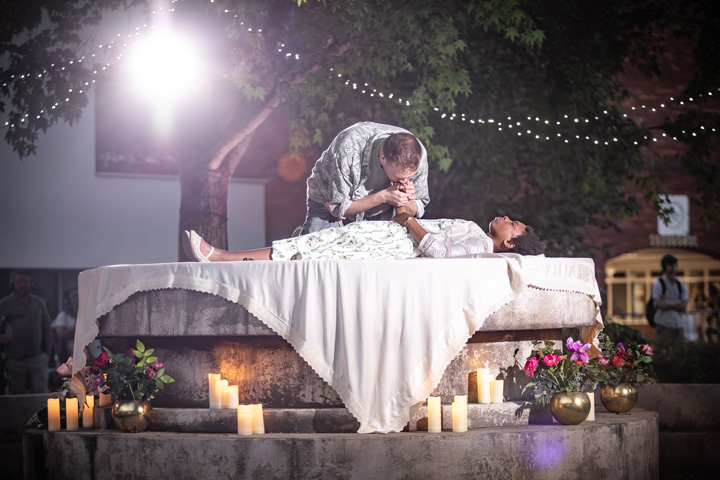
Accessibility In Theatre: How Wiltshire Creative Is Building An Inclusive Theatre Experience
